
Site Speed Optimisation

Milliseconds are money. We give them back

Site speed optimisation for WordPress and Shopify. Real Core Web Vitals gains, measured against field data, not just Lighthouse. Every ms shipped shows up in the audit trail.

Signal over noise

CWV is a conversion lever, not just an SEO chore

Every second added to LCP is a bounce added to the funnel. Every jump in CLS is a mis-click on a mobile checkout. Every render-blocking script is a search ranking that quietly slides.

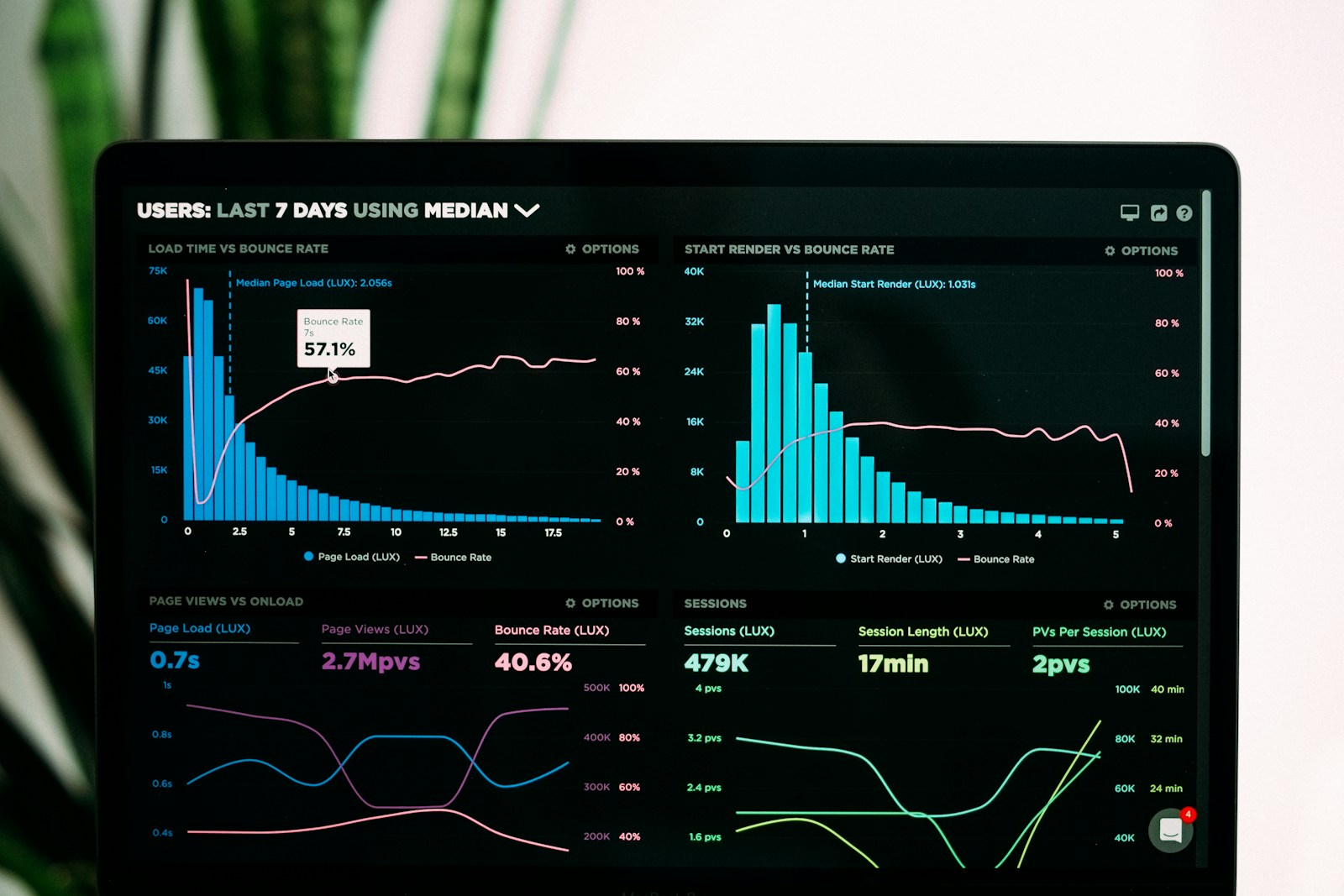
We work off the Core Web Vitals your users actually experience (CrUX field data), not the Lighthouse score generated in a lab. LCP, INP, CLS, TTFB. Each one gets a target, a fix, and a verification.

Performance analytics dashboard on a laptop screen
How we optimise

From baseline signals to measured lift

Every engagement runs the same loop. We baseline signals, we prioritise, we ship, we verify. Then we do it again.

1

Audit · signals

We baseline LCP, INP, CLS, and TTFB from your CrUX data plus a technical waterfall on the top pages. Deliverable: a written audit that names every friction touching those signals.

2

Prioritise · impact

Every finding gets an impact score and an effort estimate, so we ship the biggest wins first. Deliverable: a prioritised fix list your team can read left-to-right.

3

Implement · fixes

Render-blocking scripts moved, images pipelined, third-party tags gated, cache and CDN tuned. Deliverable: an implementation record naming every change and why.

4

Verify · field data

Post-launch we watch the same signals for 30 days from real user data, not a lab test. Deliverable: a before-and-after CWV report with the ranking impact side by side.

What you get

Every speed engagement ships these

Nothing is verbal. Every commitment lands as a file, a report, or a runbook you can hold.

Baseline audit

LCP, INP, CLS, TTFB baselined from real user data plus a technical waterfall on your top pages. Every friction named.

Prioritised fix list

Findings ranked by impact-over-effort. Your team sees exactly what ships first and why.

Implementation record

Every change to the site named, tested, and traceable in your Git history. No black-box optimisation.

Before-and-after CWV

Field-data comparison against the baseline plus the ranking impact from Search Console over the same window.

30-day monitoring

CrUX + Search Console watched weekly for four weeks post-launch, so regressions get caught before your team notices.

Runbook

Written playbook for future incidents: what to check, what to change, what to leave alone. A page your dev team refers back to.

Is this you?

Three speed archetypes we recognise

If one of these sounds like your situation, an audit will tell you exactly which signal is costing you the most.

WooCommerce store

Cart-to-purchase drops on mobile and you cannot pin why

PDP feels sluggish, checkout stalls, and third-party review widgets keep pushing CLS. The Lighthouse score looks fine in the office. Real users on 4G do not agree.

  • PDP LCP over 3s on mobile CrUX data
  • Third-party scripts blocking main thread
  • Image sizes wrong at every breakpoint

A checkout that loads in under two seconds on the median mobile connection.

Get an audit

Content or marketing site

You publish a lot. Rankings are slipping on the pages that matter

A blog or content hub where speed is the difference between a top-three ranking and page two. Every render-blocking script adds a percent to bounce.

  • Cornerstone pages losing rankings quarter over quarter
  • Ad or analytics scripts stacked without a budget
  • Hero images doing 800KB when 80KB would do

Faster pages, better rankings, lower bounce. Measured in the same window.

Get a quote
SaaS marketing site

Signup flow is fine. Marketing pages are the drag

Product is fast, marketing pages are heavy: hero videos, chat widgets, and A/B testing scripts stacked. Speed and CRO decisions collide.

  • Marketing team owns the tags, dev team owns the site
  • A/B testing tools ship third-party JS to every visitor
  • CWV budgeting has no owner

A performance budget your marketing team can work inside, without a fight.

Book a consultation
Common questions

Site speed questions we hear most

Lighthouse vs field data. Which matters?

Field data. Lighthouse runs in a lab on a fixed device profile; CrUX (Chrome User Experience Report) is what your real users experience. Google ranks on field data. We baseline and verify against CrUX, use Lighthouse for diagnostics.

Do you guarantee specific scores?

No, and neither should anyone else. Scores depend on your users, your content, and third-party services outside our control. What we guarantee is a documented change record, a before-and-after field-data comparison, and a written prioritisation so you know what got fixed and what did not.

Will you remove plugins we depend on?

Only after showing you what each one costs and what removing it changes. Some plugins are load-bearing (checkout, forms, memberships) and stay with tuning. Others get replaced with lighter alternatives or removed entirely.

Do you help pick a host or CDN?

Yes. Host choice moves TTFB more than most tuning. CDN choice moves LCP for image-heavy pages. Both get an audit and a recommendation.

One-off engagement or ongoing?

Both work. A one-off engagement fixes the current problem with a 30-day monitoring window. Ongoing plans keep monitoring live and ship monthly improvements against a rolling budget. See maintenance for the ongoing model.

Ready to give the milliseconds back?

Book a free consultation. We'll pull your CrUX baseline and send an audit with a prioritised fix list and a fixed-price quote.
Brisbane, Australia

Tick anything that applies. Not sure? Say so in the message.

    I'm interested in...

    We'll get back to you. No newsletters, no drip sequences.